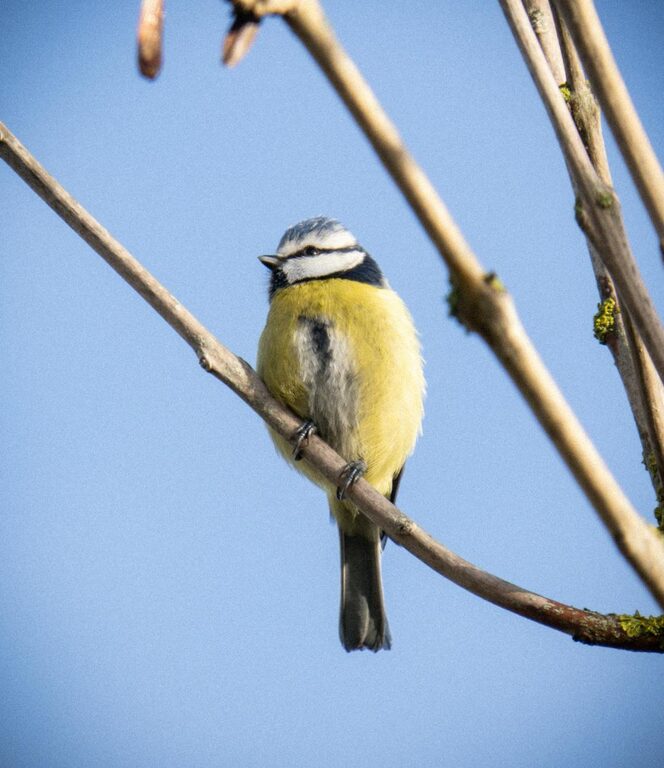
Birdwatching is a delightful and rewarding hobby that can be enjoyed right in your own backyard. Whether you live in the city or the countryside, observing birds can bring moments of peace, wonder, and a connection to nature. If you’re new to birdwatching and not quite sure where to begin, this guide will help you start your journey with simple, practical tips.
Why Start Backyard Birdwatching?
Backyard birdwatching is great for beginners because it requires minimal equipment, can fit into any schedule, and helps build a deeper appreciation for the natural world. It’s also a wonderful way to introduce children to nature or enjoy some quiet time outdoors.
Setting Up Your Backyard for Birdwatching
1. Create a Bird-Friendly Space
You don’t need a large garden to attract birds—just some basic elements that provide food, water, and shelter. Consider adding:
– Bird feeders: Use different feeders like tube feeders for small songbirds, platform feeders for larger birds, or suet feeders for woodpeckers.
– Birdbaths: A clean, shallow water source attracts birds for drinking and bathing.
– Native plants: Shrubs, trees, and flowers that grow naturally in your area offer food, shelter, and nesting sites.
2. Choose the Right Feeders and Food
Different birds prefer different foods. Some common options include:
– Seeds: Black oil sunflower seeds are popular with many species.
– Nuts: Peanuts or chopped nuts are favored by woodpeckers and jays.
– Suet: A high-energy food especially good in winter.
– Fruit: Certain species enjoy pieces of apples, berries, or oranges.
Try experimenting with a few types to see which attract birds in your area.
3. Place Feeders Strategically
Place your feeders where you can easily observe from a window or a comfortable spot outside. Position them near natural cover like trees or shrubs so birds feel safe, but not so close that predators can easily hide.
Essential Tools for Beginners
1. Binoculars
A good pair of binoculars makes a big difference. Look for lightweight, easy-to-use models with magnification around 8x and a wide field of view.
2. Field Guide or Bird ID App
A field guide or smartphone app helps you identify birds you see. Some popular apps include Merlin Bird ID and Audubon Bird Guide.
3. Notebook or Journal
Recording your sightings enhances your experience and helps track which birds visit your yard over time.
Tips for Successful Backyard Birdwatching
1. Observe Quietly and Patiently
Birds are easily startled, so keep noise and sudden movements to a minimum. Early mornings are often the best time to see birds actively feeding.
2. Learn Common Bird Songs
Recognizing bird songs can help locate species that are hard to spot. Try listening to recorded bird calls and songs online or in apps.
3. Keep Feeders Clean and Safe
Wash feeders regularly with hot water to prevent the spread of disease. Make sure birdbaths have fresh water daily.
4. Respect Wildlife and Habitat
Avoid disturbing nests or birds during breeding seasons. Remember, your goal is to observe, not interfere.
Identifying Common Backyard Birds
Start by learning common species in your region. Birds like robins, sparrows, finches, cardinals, and chickadees are frequently seen in many backyards. Note key features such as coloration, size, behavior, and any distinctive markings.
1. Use Shape and Size
Is the bird small and perching, or larger and ground-feeding? Shape and posture can help narrow choices.
2. Notice Color Patterns
Bright colors or unique markings help identify species quickly.
3. Watch Behavior
Some birds hop, others cling to feeders vertically, while others soar. Behavior is often a good clue.
Benefits of Backyard Birdwatching
Beyond enjoyment, birdwatching promotes mindfulness, helps support local bird populations by encouraging habitat-building, and connects communities through shared interest.
Conclusion
Starting backyard birdwatching is easy and enriching. By creating a welcoming space, choosing the right tools, and observing with patience, you’ll soon notice the fascinating variety of birds visiting your yard. Enjoy the process of learning and the simple pleasure of watching nature unfold just outside your door.
Happy birdwatching!