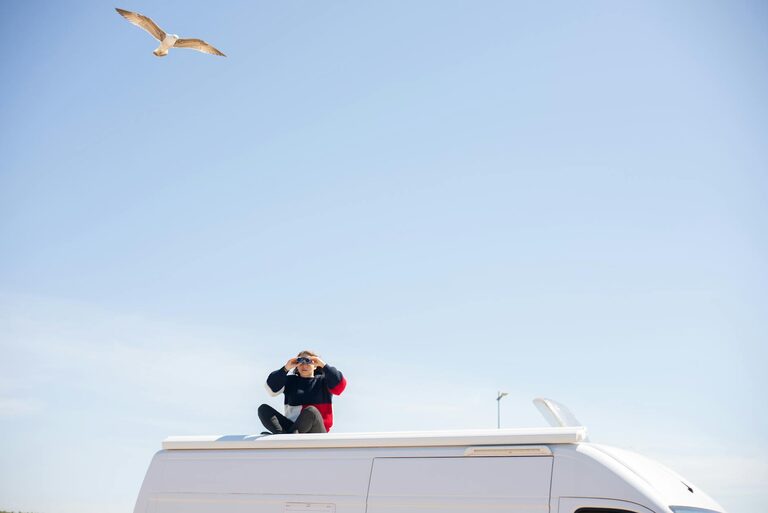
Birdwatching is a relaxing and rewarding hobby that anyone can enjoy, especially right in their own backyard. Whether you live in the city, suburbs, or countryside, observing birds can bring joy, curiosity, and a deeper appreciation for the natural world. If you’re new to birdwatching, this guide will provide beginner-friendly tips to help you get started and make your backyard a welcoming spot for feathered visitors.
Why Start Backyard Birdwatching?
Birdwatching in your backyard is a convenient way to experience wildlife close to home. It requires minimal equipment and can be done year-round. Watching birds can reduce stress, enhance mindfulness, and connect you with nature’s rhythms. Plus, it’s a great activity for people of all ages.
Essential Equipment for Beginners
You don’t need much to begin birdwatching, but a few items can enhance your experience:
– Binoculars: A good pair of binoculars helps you see birds clearly from a distance. Look for something lightweight with 8x or 10x magnification.
– Field Guide or App: Identify birds with a field guide book or a smartphone app featuring photos and descriptions.
– Notebook or Journal: Keep a record of the birds you see, noting dates and behaviors; this adds to your enjoyment and helps improve your skills.
– Bird Feeder: Attract birds to your yard by offering food, making observation easier and more frequent.
Setting Up Your Backyard for Birdwatching
Creating a bird-friendly environment is key to attracting a variety of species. Here’s how:
Provide Food Sources
– Seed Feeders: Choose feeders suitable for common local birds; black oil sunflower seeds attract many species.
– Suet Feeders: Great for insect-eating birds, especially in cooler months.
– Native Plants: Plant native bushes, trees, and flowers to offer natural food like berries and insects.
Offer Water
Birds need fresh water for drinking and bathing. A shallow birdbath or a small water feature will invite birds to visit regularly.
Create Shelter
– Trees and Shrubs: Offer cover and nesting places.
– Nest Boxes: Install birdhouses suited to local bird species to encourage nesting.
Tips for Successful Birdwatching
Start Slow and Patiently
Birds may be shy at first. Spend time quietly observing the feeder or particular trees. You’ll soon notice more activity as birds become comfortable.
Learn Local Bird Species
Focus on birds common to your region. Study their markings, calls, and habits to improve your identification skills.
Keep a Comfortable Spot
Create a cozy observation area with a comfortable chair or bench near your feeders or birdbath, where you can sit quietly without disturbing the birds.
Watch at the Right Times
Birds are most active during early morning and late afternoon. These times offer the best chances for sightings.
Use a Camera or Notebook
Documenting your sightings enhances the experience. Photos help with identifying tricky species later, while notes track your progress.
Common Backyard Birds You Might See
Depending on your location, you may encounter these popular backyard birds:
– American Robin
– Northern Cardinal
– Blue Jay
– House Finch
– Chickadee
– Mourning Dove
– Downy Woodpecker
Observing their habits and calls adds to your enjoyment and learning.
Avoiding Common Mistakes
– Don’t put feeders too close to windows to prevent bird collisions.
– Avoid sudden movements or loud noises near bird feeding areas.
– Keep feeders clean to prevent disease.
– Be patient and consistent; attracting and identifying birds takes time.
Joining the Birdwatching Community
Participate in local birding clubs or online forums to share your experiences and get advice. Events such as the Great Backyard Bird Count encourage beginners to contribute to citizen science efforts.
Final Thoughts
Backyard birdwatching is a delightful way to engage with wildlife, learn about species diversity, and spend peaceful time outside. With some simple preparations and patience, your backyard can become a vibrant hub for birds and an enjoyable retreat for you. So grab your binoculars, watch the skies and trees, and enjoy the wonderful world of backyard birdwatching.
Happy birding!