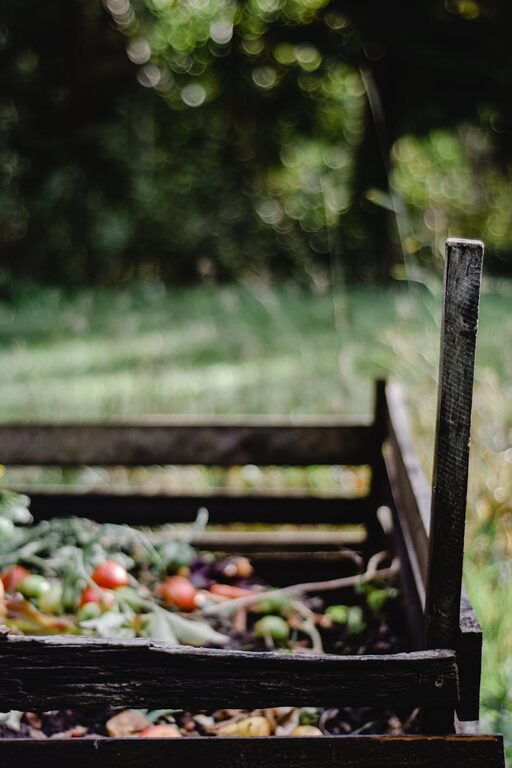
Composting at home is a rewarding way to reduce kitchen and yard waste while creating rich, natural fertilizer for your garden. If you’re new to composting, it might seem overwhelming at first, but with some simple tips and a bit of patience, you can turn scraps into black gold. This guide will walk you through the basics of home composting, helping you get started on the right foot.
What Is Composting?
Composting is the natural process of recycling organic materials like food scraps and yard waste into a nutrient-rich soil amendment. When managed correctly, compost improves soil structure, retains moisture, and provides essential nutrients to plants. It’s an environmentally friendly alternative to throwing away organic materials, which otherwise end up in landfills producing methane—a potent greenhouse gas.
Why Compost at Home?
– Reduces household waste, lowering garbage bills and landfill contributions.
– Enriches your garden soil naturally without chemical fertilizers.
– Helps retain moisture in soil, saving water.
– Encourages beneficial microorganisms and earthworms.
– Support sustainable living practices.
Getting Started: Choose Your Composting Method
There are a few different methods to compost at home, and your choice depends on available space, time, and preferences.
1. Compost Bin
A compost bin is a contained structure designed to hold the decomposing materials. Bins come in various sizes and materials, from plastic tumblers to wooden enclosures.
– Suitable for small to medium gardens.
– Keeps the compost organized and neat.
– Helps retain heat and moisture.
2. Compost Pile or Heap
Simply designate a spot in your yard for a compost pile.
– Ideal for larger spaces.
– Easier to add bulky yard waste.
– May attract pests if not managed properly.
3. Vermicomposting
This method uses worms (usually red wigglers) to break down organic waste faster.
– Great for indoors or small spaces.
– Produces high-quality compost called worm castings.
– Requires a worm bin and maintenance.
Basic Composting Principles
Balance Greens and Browns
To compost effectively, balance your materials between “greens” and “browns.”
– Greens: Nitrogen-rich materials (e.g., vegetable scraps, coffee grounds, fresh grass clippings)
– Browns: Carbon-rich materials (e.g., dry leaves, shredded newspaper, cardboard, straw)
Aim for a ratio of about 2-3 parts browns to 1 part greens. This balance helps maintain the right temperature and moisture for decomposition.
Keep It Moist but Not Wet
Think of a wrung-out sponge. Compost should be moist enough to support microbes but not soggy. Add water if it’s dry or add more browns if too wet.
Turn Your Pile Regularly
Aeration allows oxygen to reach the microbes that speed decomposition. Use a garden fork or compost aerator to turn your pile every 1-2 weeks.
What Can You Compost?
Acceptable Items
– Fruit and vegetable scraps
– Coffee grounds and filters
– Tea bags (check if biodegradable)
– Eggshells (crushed)
– Grass clippings and leaves
– Small branches and twigs
– Shredded paper and cardboard
– Hair and pet fur
Items to Avoid
– Meat, fish, dairy products (attract pests)
– Oily or greasy foods
– Diseased plants
– Pet waste (can carry pathogens)
– Plastic, metals, glass
Step-by-Step Beginner Composting Guide
- **Select a Location:** Choose a dry, shaded spot with good drainage.
- **Set Up Your Container or Pile:** If using a bin, place it on soil to allow worms and microbes to enter.
- **Add Browns and Greens:** Start with a layer of browns, then add greens, alternating layers.
- **Maintain Moisture:** Check moisture regularly and water as needed.
- **Turn the Compost:** Aerate the pile every couple of weeks.
- **Wait and Monitor:** Compost will be ready in 2-6 months, depending on conditions.
- **Harvest:** When the compost is dark, crumbly, and earthy-smelling, it’s ready to use.
Troubleshooting Common Issues
– Bad Odors: Too much green/wet waste or poor aeration. Add more browns and turn the pile.
– Pests: Avoid meat and dairy, secure the bin, and bury food scraps.
– Pile Not Heating Up: Add more greens or turn pile to increase oxygen.
– Dry or Slow Decomposition: Add water and greens, keep the pile moist.
Using Your Finished Compost
Compost can be mixed into garden beds, used as mulch, or added to potting soil. It improves soil health and helps your plants thrive naturally.
—
Composting is a simple practice with big benefits for your home and the environment. By following these beginner tips, you can create a sustainable cycle of waste reduction and soil nourishment. Start small, stay consistent, and enjoy seeing nature do its magic in your own backyard!